Before you go · 8 min read
Morocco travel requirements for 2026
Entering Morocco is straightforward for most travellers, but the details — passport validity, proof of accommodation, cash declarations — are where trips get delayed. Here is what to prepare before you fly in 2026.
Written by the Morocco Together team · 18 August 2026
Always confirm with the official source
Rules change. Treat this guide as a preparation checklist, then verify with the Moroccan consulate for your nationality and your airline before departure. If you book with us, we re-check the requirements for your passport before your final documents go out.
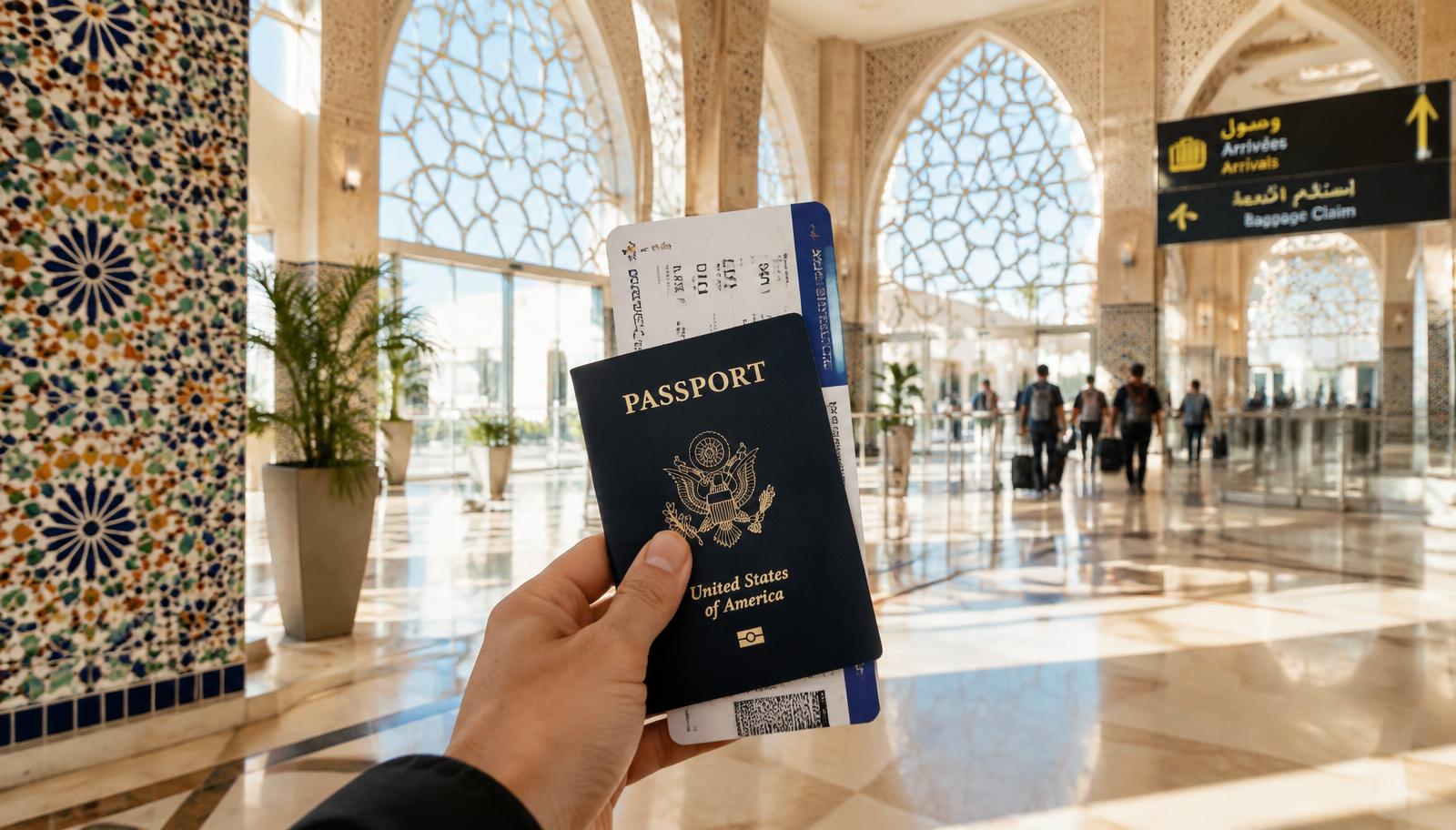
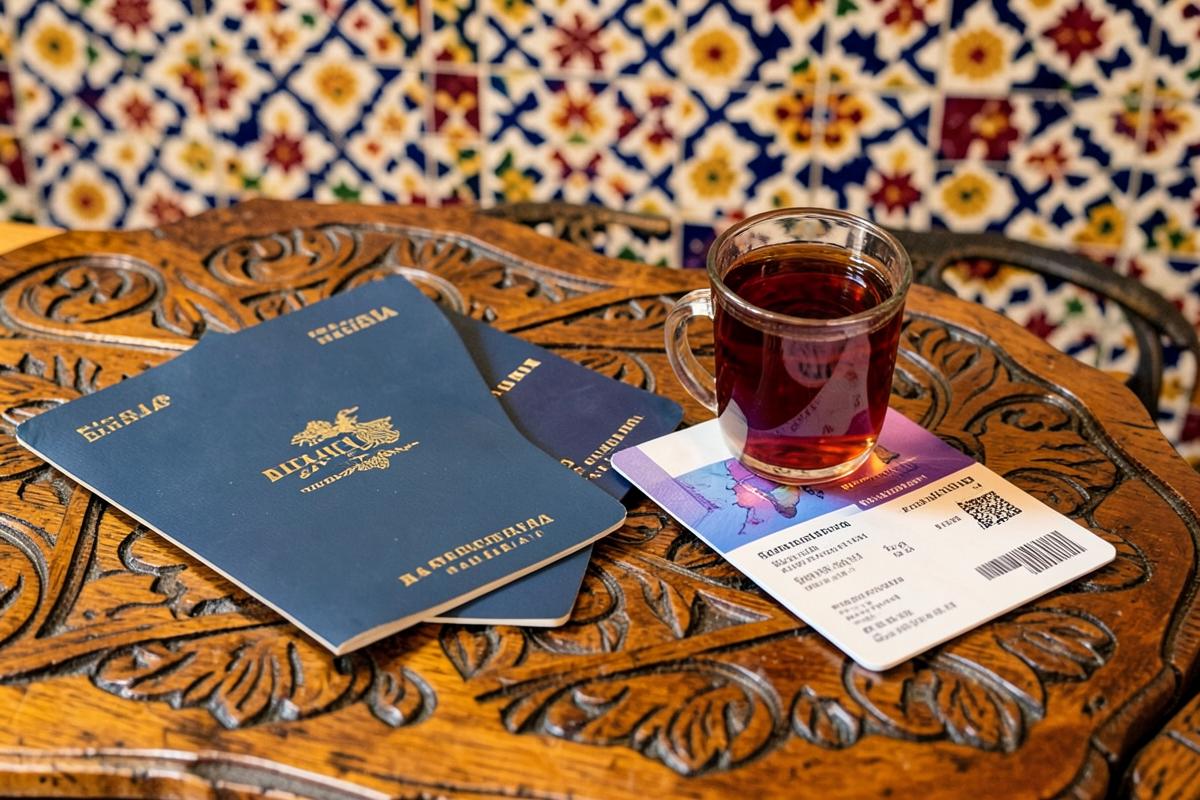
1. Your passport
- Valid for at least six months beyond your date of arrival
- At least one blank page for the entry and exit stamps
- No damage to the photo page — worn or water-damaged passports are refused more often than people expect
- The name on your passport must match your flight and hotel bookings exactly
2. Do you need a visa?
Citizens of the EU and Schengen countries, the UK, the United States, Canada, Australia, New Zealand, Japan, Brazil and a long list of other nations may enter Morocco visa-free for up to 90 days for tourism. Travellers from countries outside that list apply for a visa in advance — either through a consulate or the electronic visa system, depending on nationality and residence.
Two frequent misunderstandings: the 90-day allowance is per entry, not per year, and holding a residence permit in a visa-exempt country does not always exempt you. Check under your passport's nationality, not your country of residence.
3. At the border
You will complete an arrival form on the plane or at the desk with your passport details and the address of your first night's accommodation. Officers commonly ask for the name of your hotel or riad, your length of stay and your return flight. Have them written down or screenshotted — mobile data may not work yet.
Have these ready at immigration
- Passport valid 6+ months
- Completed arrival form
- Address and phone number of your first accommodation
- Return or onward flight confirmation
- Proof of funds if asked (card plus some cash is normally enough)
4. Money and customs
- The dirham (MAD) is a closed currency: you cannot legally buy it before arrival and should not take large amounts out
- Amounts above the equivalent of roughly 100,000 MAD in foreign currency must be declared on arrival
- Change money at the airport, banks or official bureaux — never on the street
- Cards are widely accepted in cities; carry cash for rural stops, tips, hammams and cooperatives
- Drones, satellite phones and large quantities of medicines can be held at customs without prior authorisation
5. Health and insurance
No vaccinations are required for entry from most countries. Routine vaccinations up to date, plus hepatitis A and typhoid, are commonly recommended for longer or rural trips — ask your travel clinic. Travel insurance is not a legal requirement, but medical repatriation from the Sahara or the High Atlas is expensive, so we ask every traveller to carry a policy covering medical costs, evacuation and trip cancellation.
If your itinerary includes trekking
Check that your policy covers hiking above 3,000 m. Toubkal summits at 4,167 m and standard policies often stop well below that.
6. Driving, and why most visitors don't
Foreign licences are accepted for short visits, and an International Driving Permit is a useful supplement. Roads between cities are good; mountain passes and desert pistes are another matter, and rental insurance rarely covers unpaved routes. Most of our travellers take a driver-guide in a 4x4 — it costs less than people assume once fuel, tolls and parking are counted, and it turns transfer days into part of the trip.
7. Practical rules worth knowing
- Photography: ask before photographing people, and avoid police, military and royal buildings
- Alcohol is sold in licensed hotels, restaurants and supermarkets, not in medina cafés
- Ramadan in 2026 falls in the spring — daytime services are reduced but travel remains very rewarding
- Non-Muslims may not enter most working mosques; the Hassan II Mosque in Casablanca is the notable exception
- SIM cards are cheap and instant at the airport with your passport; eSIMs work well on all three networks
Two weeks before you fly
- Confirm visa status for your nationality with the consulate
- Photograph your passport, insurance and itinerary; store offline and email a copy to yourself
- Buy travel insurance covering your highest activity level
- Tell your bank you are travelling; check card fees for MAD withdrawals
- Download offline maps and your accommodation addresses in French or Arabic script
- Arrange your eSIM or plan an airport SIM stop
- Reconfirm airport pick-up details with your agency
Ready when you are
Let's turn this into your itinerary
Tell us your dates, your pace and how you like to travel. A trip designer in Marrakech replies within 24 hours with a first route and a clear price — no deposit until you are happy with it.