Destinations · 12 min read
Top 10 Best Places to Visit in Morocco: The Ultimate Bucket List
Morocco brings imperial cities, ancient medinas, Sahara landscapes, mountain villages, Atlantic shores and historic kasbahs into one extraordinary journey. This guide helps you choose the places that fit your time and travel style.
Written by the Morocco Together team · 21 September 2026
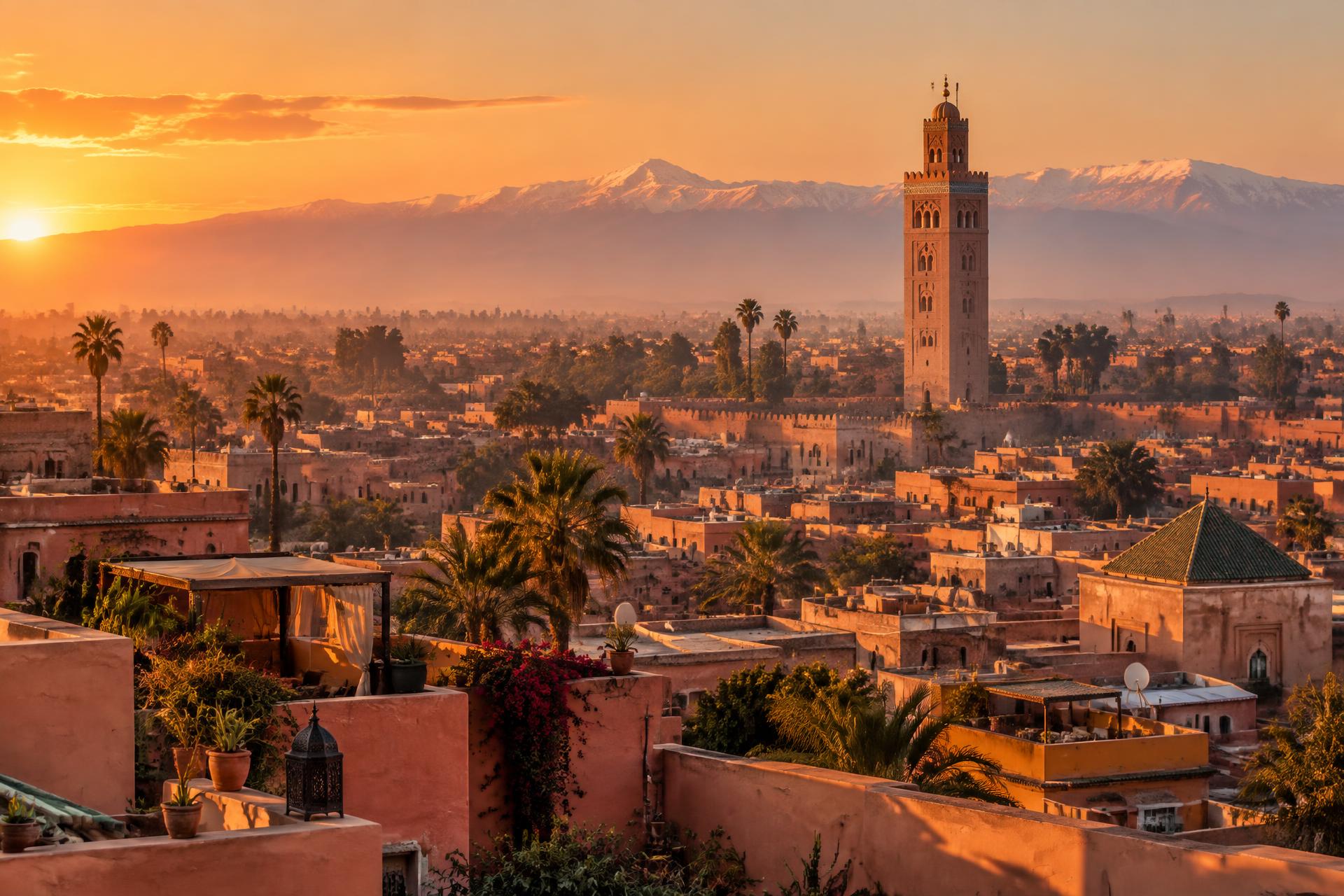
For first-time visitors and returning travellers alike, Morocco offers a remarkable combination of imperial cities, ancient medinas, Sahara landscapes, mountains, Atlantic coast and historic kasbahs. The best itinerary depends on how you like to travel and how much time you have. Morocco Together can shape a private or small-group journey with local support, balancing celebrated landmarks with time to experience each place properly.
1. Marrakech Medina & Jemaa el-Fnaa
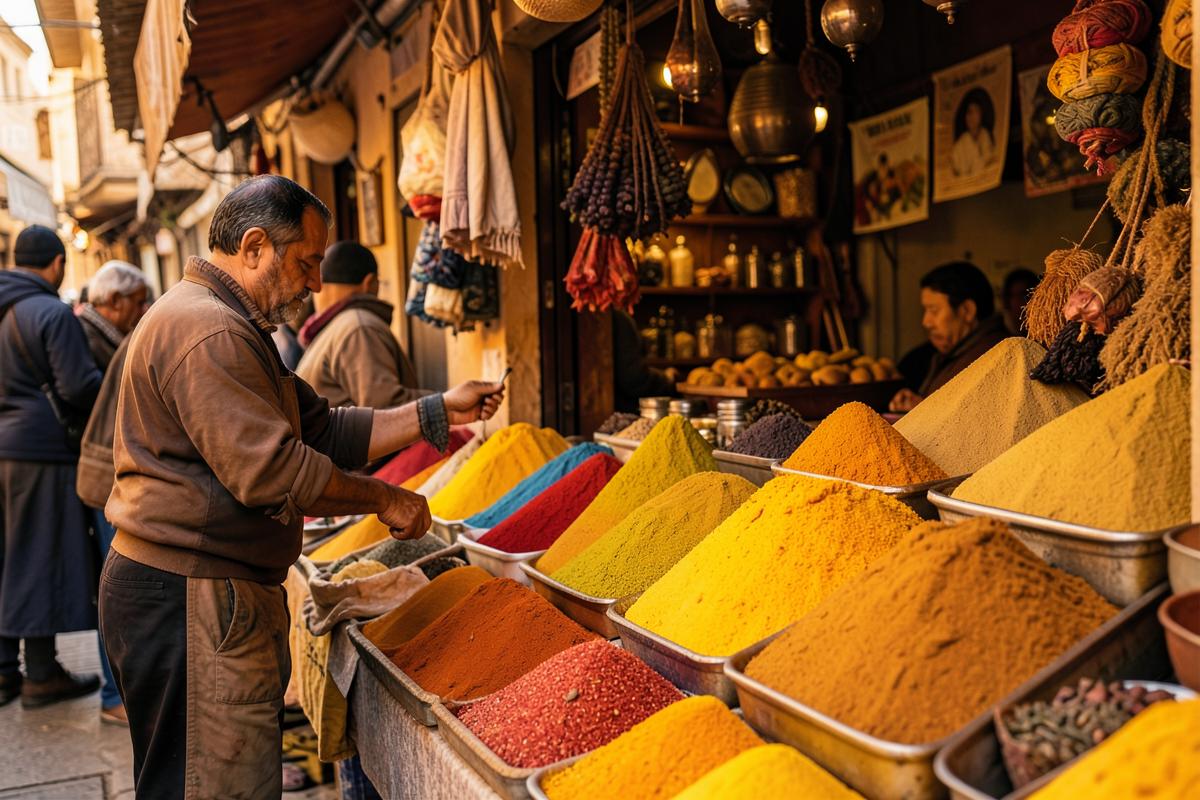
Marrakech is an intense and rewarding introduction to Morocco. Inside the medina, narrow lanes lead through souks filled with leatherwork, lanterns, spices and textiles, while historic riads reveal quiet courtyards behind plain walls. Bahia Palace showcases intricate carved plaster, painted cedar and tiled interiors; around the Koutoubia, gardens and the landmark minaret provide space to pause before returning to the old city.
Jemaa el-Fnaa is the medina's great gathering place. By day it is a crossroads; after sunset, food stalls, musicians and storytellers transform the square. Rooftop terraces offer a useful first view, but the atmosphere is best understood at street level.
Local tip
Visit the medina early in the morning for a quieter experience, then return to Jemaa el-Fnaa around sunset.
Recommended stay
2–3 nights.
2. Erg Chebbi Dunes & the Sahara Desert — Merzouga
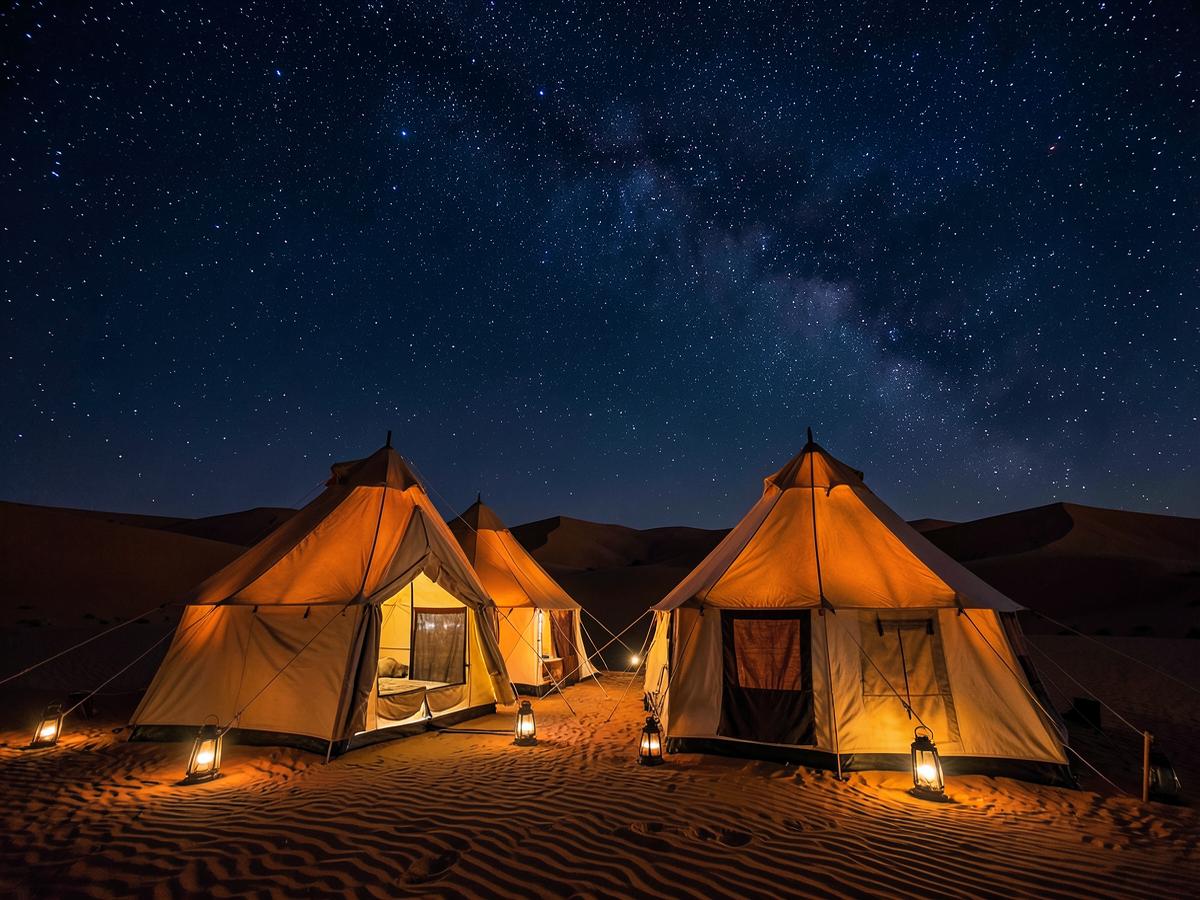
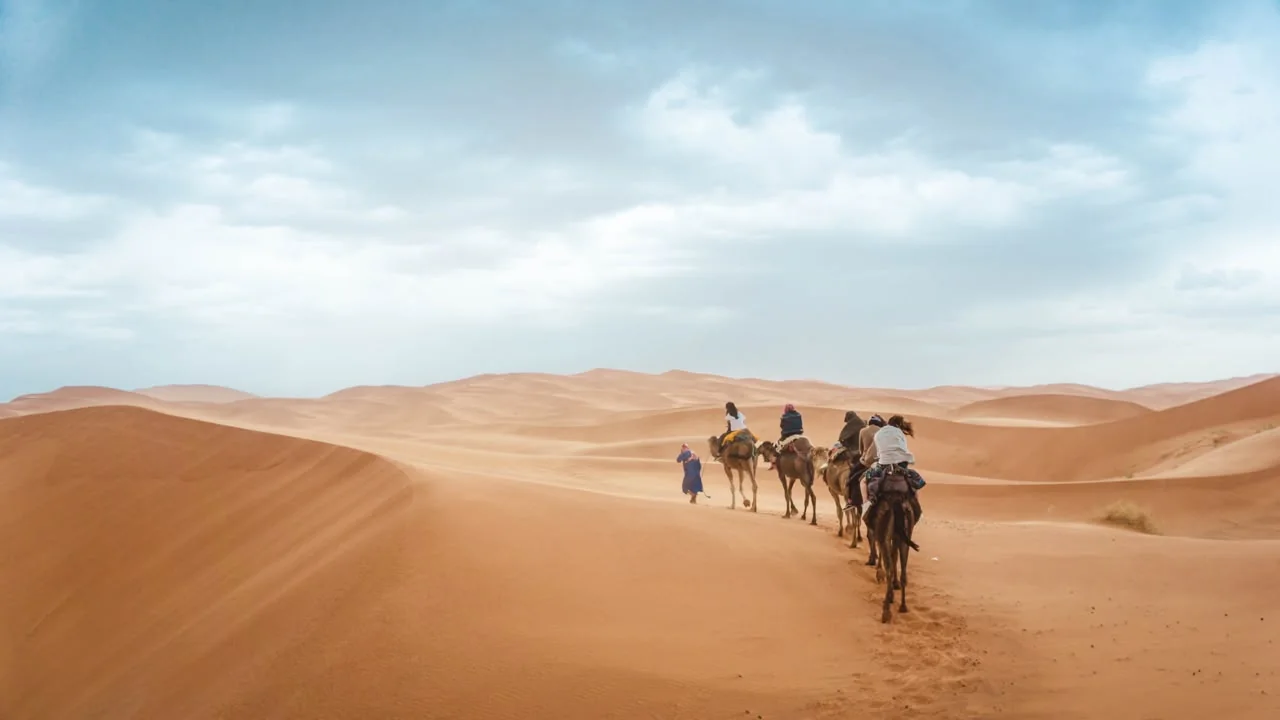
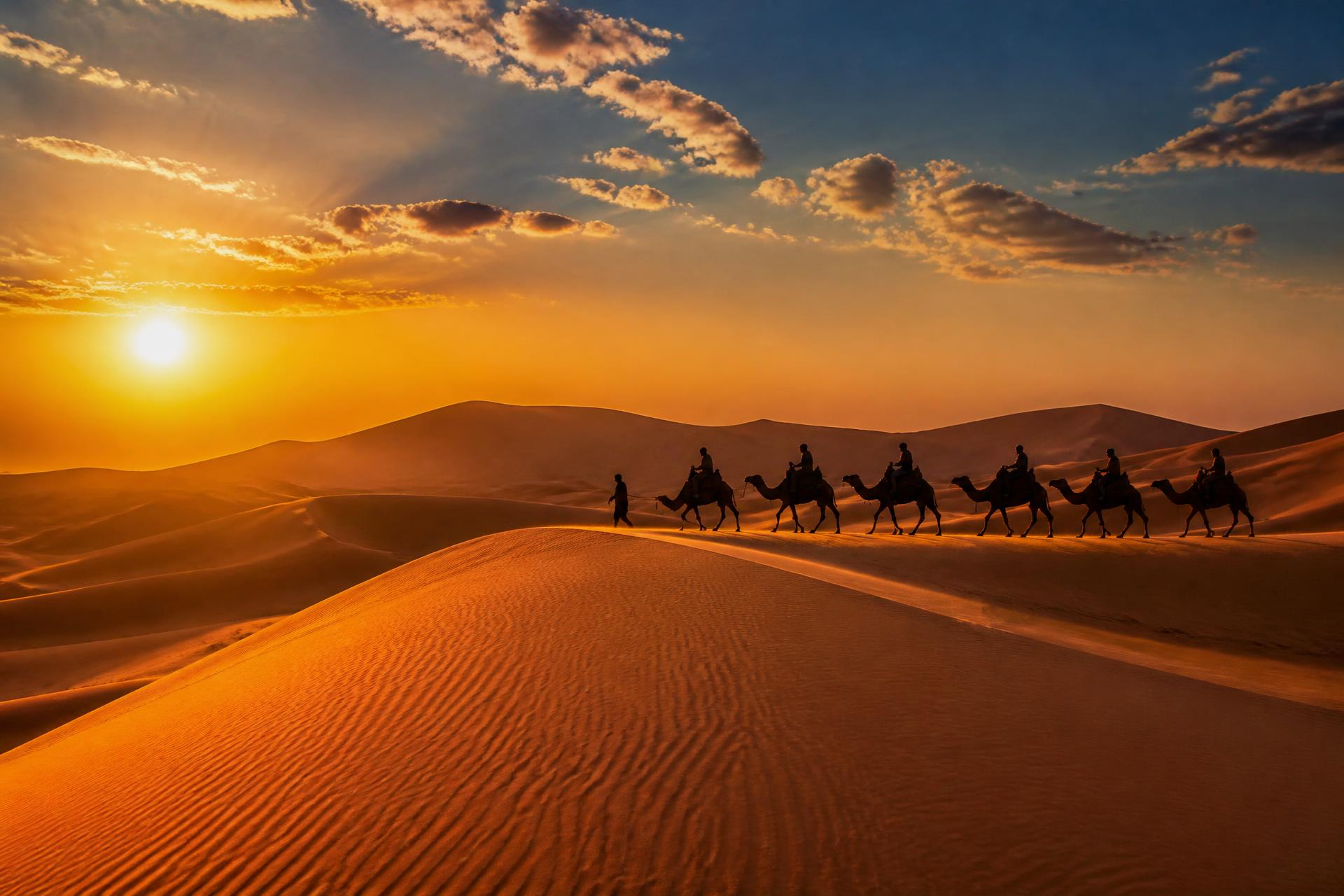
Rising beside Merzouga, the Erg Chebbi dunes are among Morocco's most memorable landscapes. Their colour shifts with the light, making sunset and sunrise the natural highlights of a stay. A camel experience offers a traditional way to approach camp, while a comfortable desert camp provides dinner, music and a night beneath exceptionally clear skies.
The Sahara experience is not only about the dunes. The wider Merzouga area is shaped by Amazigh hospitality, oasis settlements and desert communities whose knowledge gives the landscape its human context.
Local tip
A private 4x4 excursion around the Merzouga area can reveal landscapes and villages that are missed by simply arriving at the camp.
Recommended stay
1–2 nights.
3. Fes el-Bali Medina
Fes el-Bali is a dense medieval city of lanes, workshops, fountains and religious schools. Around Al Quaraouiyine, passages open into busy markets or richly decorated courtyards. The tanneries are the best-known sight, but the deeper appeal lies in living traditions: metalworkers, weavers, woodcarvers and tile makers still practise crafts passed through generations.
Its historic architecture rewards close attention, from carved doors and cedar screens to zellige tilework. Fes feels less staged than many old cities because the medina remains a place where people live, study, shop and work.
Local tip
Hire a trusted local guide for the first exploration of the medina; its maze-like streets are much easier to understand with local context.
Recommended stay
2 nights.
4. The Blue Pearl — Chefchaouen
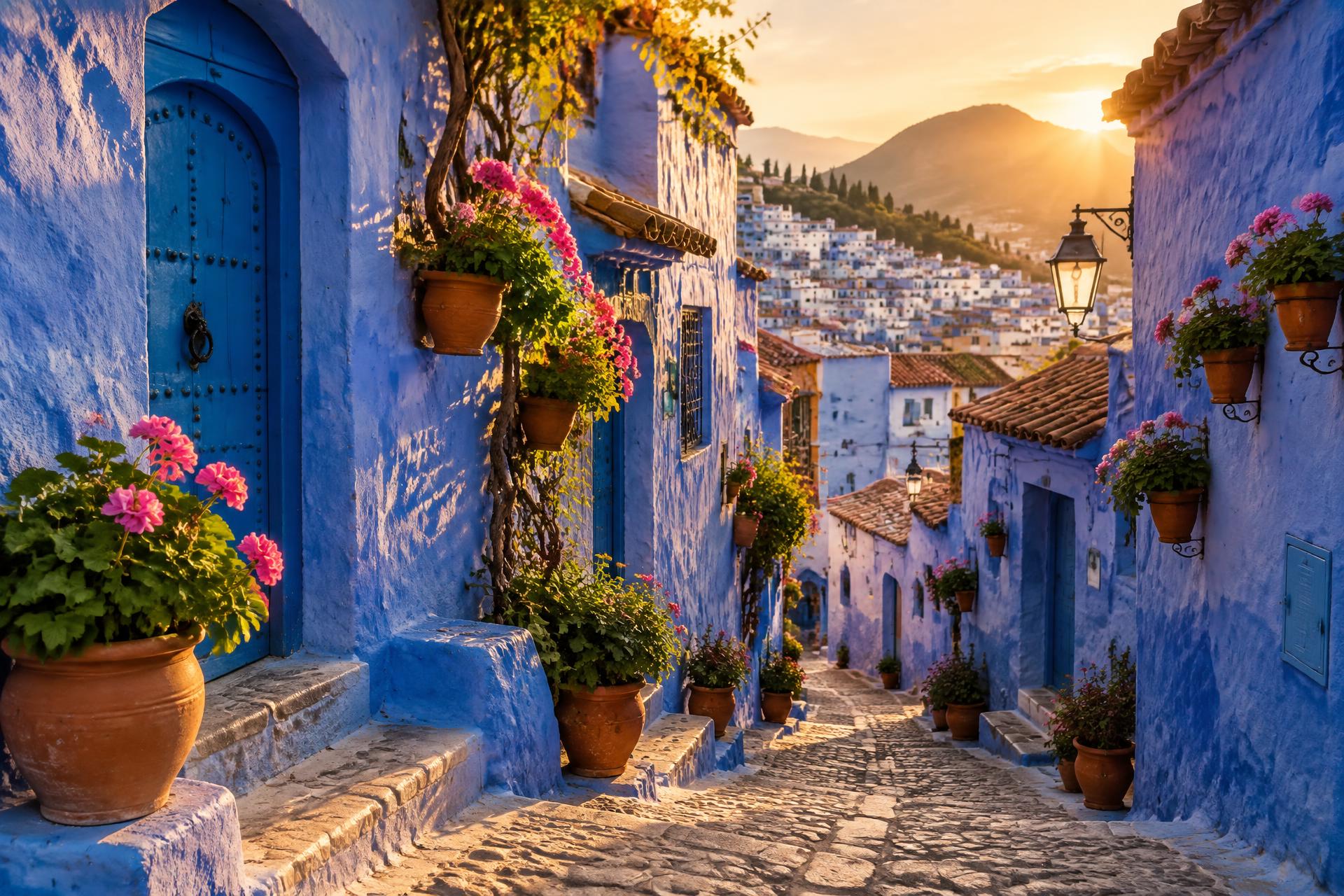
Chefchaouen's blue-painted medina climbs a hillside beneath the Rif Mountains. Steps, archways and small squares create striking photographs, but the town is most enjoyable at a slow pace. Beyond the central lanes, everyday neighbourhood life and mountain views give the Blue Pearl a quieter character.
Local tip
Explore early in the morning before the busiest hours and walk beyond the main tourist streets.
Recommended stay
1–2 nights.
5. Ait Ben Haddou Kasbah
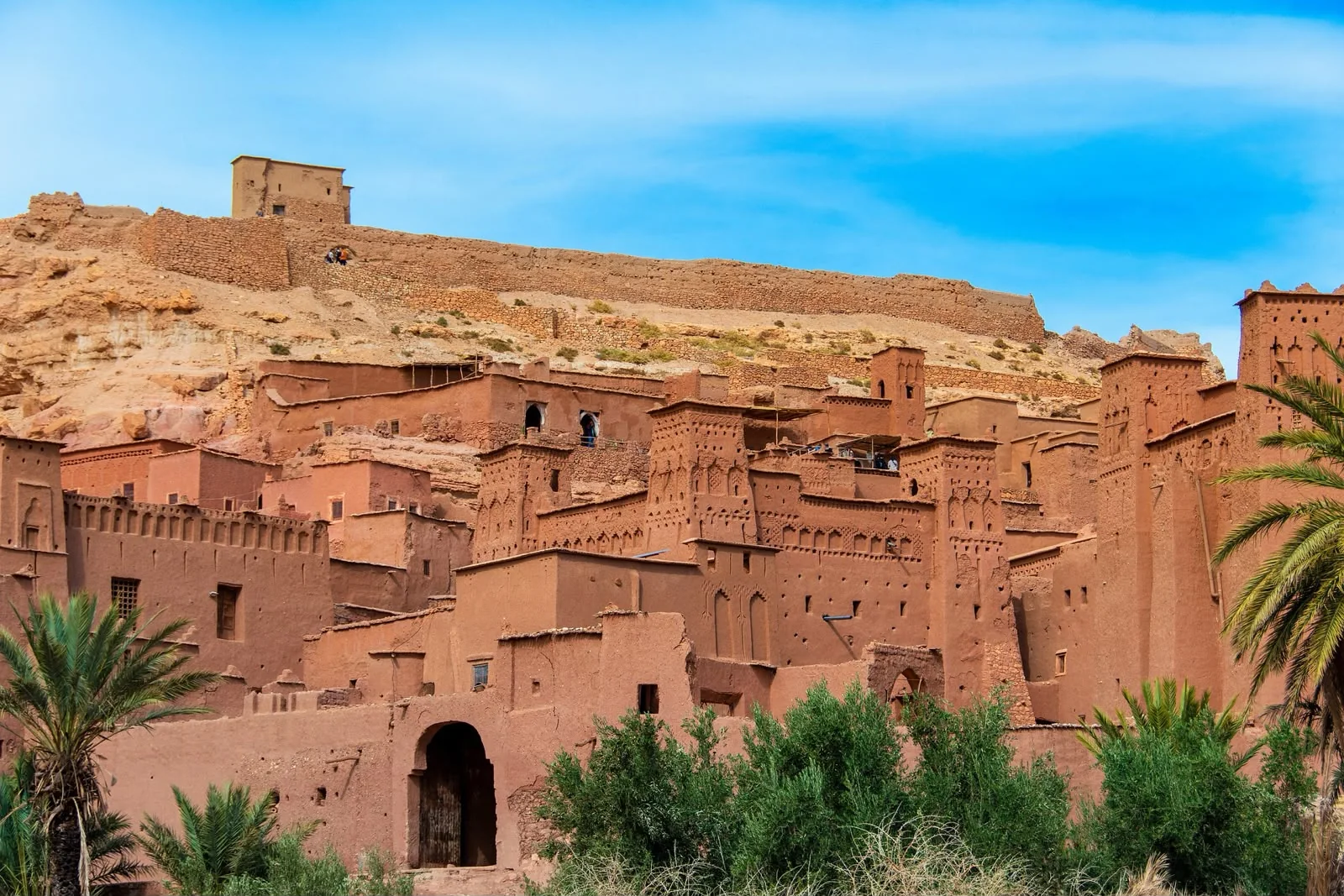
Ait Ben Haddou is a UNESCO World Heritage site and one of southern Morocco's finest examples of traditional earthen architecture. Its clustered towers rise above the Ounila Valley landscape, recalling the caravan routes that once connected the Sahara with Marrakech. Its position makes it an important stop between Marrakech and the Sahara, adding historical context to the kasbah country of the south.
Local tip
Arrive later in the afternoon when possible for softer light and a more atmospheric visit.
Recommended stay
Half a day to 1 night.
6. High Atlas Mountains & Amazigh Villages
The High Atlas brings terraced valleys, high passes and villages built into mountain slopes. Around Imlil and the Toubkal region, walks range from gentle valley routes to demanding multi-day treks. Local meals offer a direct introduction to Amazigh culture and mountain hospitality, while time on foot reveals far more than a scenic drive.
Local tip
Consider adding a guided village walk or lunch with a local family rather than simply driving through the mountains.
Recommended stay
1–2 nights depending on activities.
7. Coastal Charm — Essaouira
Essaouira pairs an easygoing Atlantic atmosphere with a compact medina. Walk the Skala ramparts above the sea, watch blue fishing boats return to the port and choose fresh seafood near the harbour. The city's cultural identity is also shaped by Gnaoua music. Ocean breezes and whitewashed lanes make this a slower counterpoint to inland Morocco.
Local tip
Essaouira works particularly well as a slower-paced stop after Marrakech.
Recommended stay
1–2 nights.
8. Dades & Todra Gorges
The Dades Valley and Todra Gorge form one of Morocco's great road-trip landscapes. Roads wind past dramatic rock formations, palm-filled oases and kasbahs that merge into the earth. At Todra, sheer canyon walls close around the riverbed; in the Dades, viewpoints reveal folds of red stone and cultivated valley floor.
Local tip
Do not rush this section. The journey between the valleys is part of the experience.
Recommended stay
1–2 nights.
9. Volubilis Roman Ruins
Near Meknes and within reach of Fes, Volubilis preserves the remains of an important Roman city. Its columns, arches, olive presses and detailed floor mosaics make the site's archaeological significance easy to appreciate. For history lovers, it adds another layer to a journey and combines naturally with Meknes.
Local tip
Visit in the morning or late afternoon to avoid the strongest midday heat.
Recommended stay
Half day, usually combined with Meknes.
10. Hassan II Mosque — Casablanca
The Hassan II Mosque stands at the edge of the Atlantic Ocean and is Casablanca's defining landmark. Its immense scale, carved stone, mosaics and towering minaret demonstrate the ambition of modern Moroccan craftsmanship. Casablanca is Morocco's modern economic capital, and the contrast between the mosque, oceanfront and busy commercial districts gives it a character unlike the imperial medinas.
Local tip
Check visiting hours in advance because access to the interior is organized through guided visits.
Recommended stay
Half day to 1 night.
How Many Days Do You Need to See Morocco's Highlights?
Driving times between Morocco's major destinations are significant. A thoughtful route is far more enjoyable than trying to visit every place too quickly, especially when crossing the High Atlas or travelling between the Sahara and Fes.
- 7 days: Marrakech, Ait Ben Haddou, the Sahara and selected southern highlights.
- 10 days: Marrakech, the High Atlas, Ait Ben Haddou, the Sahara and Fes.
- 14 days: Marrakech, Essaouira, the High Atlas, the Sahara, Fes and Chefchaouen or northern Morocco.
Frequently Asked Questions
What are the best places to visit in Morocco for first-time travelers?
Marrakech, the Sahara, Fes, Ait Ben Haddou, the High Atlas and Essaouira create a strong first journey, combining medinas, desert, mountains, kasbahs and coast.
How many days do you need in Morocco?
Seven to ten days allows a strong highlights itinerary. With 12–14 days or more, you can travel at a more relaxed pace and include the north or Atlantic coast without rushing long drives.
What is the best time of year to visit Morocco?
Spring and autumn are particularly comfortable for a multi-region itinerary. Conditions vary: the coast is milder, summer is very hot in the interior and desert, and winter nights can be cold in the Sahara and mountains.
Is Morocco suitable for a private or small-group trip?
Yes. Private and small-group travel offers flexible pacing, coordinated transport and access to local guides, making it easier to combine cities, mountain valleys and desert landscapes in one coherent route.
Explore Morocco Together
Compare the existing journeys below for practical route ideas covering the Sahara, kasbah country and Morocco's imperial cities.
Ready when you are
Ready to Explore Morocco?
Morocco is much easier to experience when your route is designed around your interests rather than simply following a checklist. Our local team can create a private or small-group itinerary combining Morocco's imperial cities, mountains, kasbahs, Atlantic coast and Sahara Desert.