Food & culture · 10 min read
10 Traditional Moroccan Foods You Should Try on Your First Trip
Moroccan cuisine is one of the most memorable ways to experience the country, bringing together family traditions, regional ingredients and centuries of cultural influence.
Written by the Morocco Together team · 21 September 2026
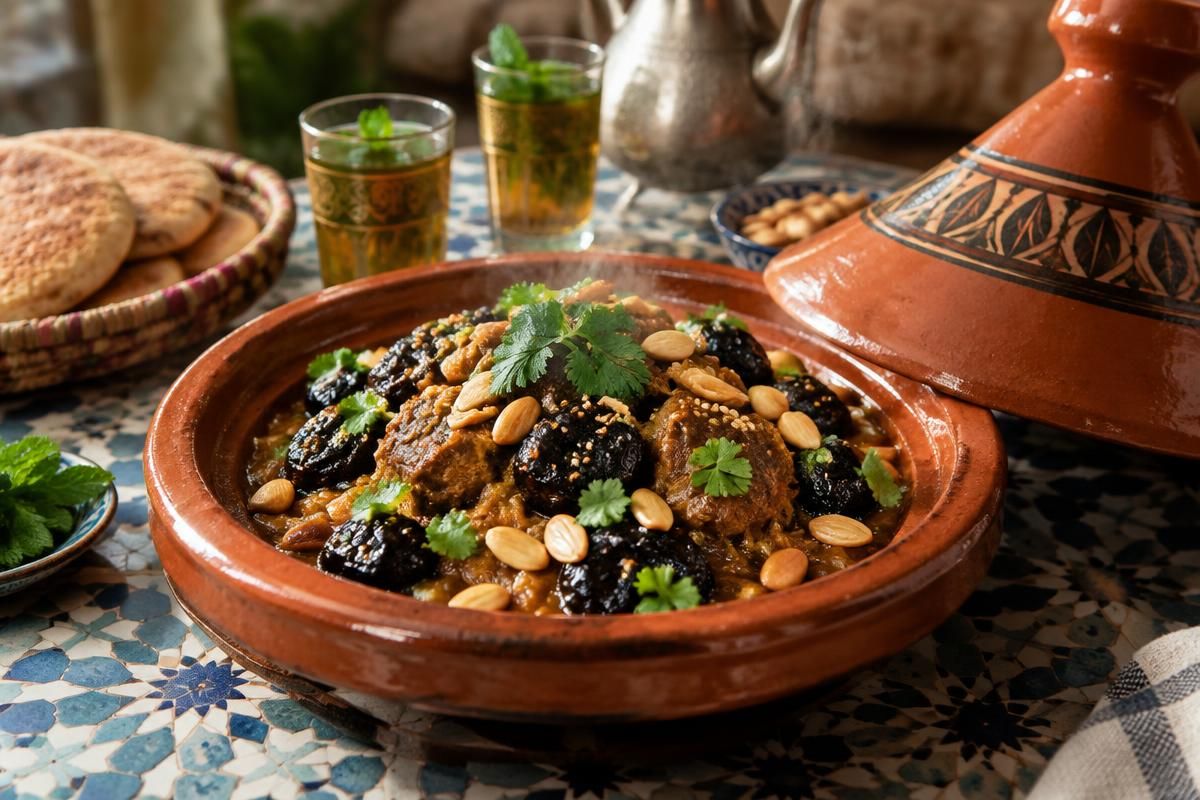
Moroccan cuisine is an essential part of experiencing the country. A shared tagine, the scent of toasted spices and a carefully poured glass of mint tea reveal as much about Morocco as its medinas, mountains and kasbahs. Food marks family gatherings, religious celebrations and the everyday rhythm of hospitality.
Moroccan food reflects Amazigh, Arab, Andalusian and Mediterranean influences, yet recipes vary between regions and even between families. Tagine and couscous may be internationally famous, but they are only the beginning: first-time visitors should also discover cooked salads, soups, pastries and slow-roasted dishes that show the breadth of Moroccan culinary culture.
10 Traditional Moroccan Foods to Try
Tagine
Tagine is both the conical earthenware cooking vessel and the slow-cooked dish prepared inside it. Gentle heat traps steam and returns moisture to the ingredients, allowing meat, vegetables, spices and preserved ingredients to cook until tender. Classic combinations include chicken with preserved lemon and olives, lamb with prunes and almonds, and seasonal vegetable tagines. The method matters because it concentrates flavour while keeping sauces rich without requiring high heat.
Local tip
Try more than one style: a savoury chicken tagine and a sweet-and-savoury lamb version show how varied the dish can be.
Couscous
Traditional couscous begins with fine semolina grains that are moistened and steamed repeatedly until light and separate. It is commonly served beneath vegetables and a fragrant broth, sometimes with lamb, beef or chicken, although recipes differ across Morocco. Couscous has a strong association with Friday family meals, when relatives gather after midday prayers, and regional versions reflect local produce and customs.
Local tip
Notice the texture of traditionally steamed couscous: it should be delicate and fluffy rather than heavy or wet.
Pastilla
Pastilla is a layered pie wrapped in exceptionally thin warqa pastry. Celebrated versions combine spiced chicken—or traditionally pigeon—with eggs, toasted almonds, cinnamon and sugar, creating a distinctive balance of savoury and sweet. Coastal kitchens also prepare seafood pastilla with fish, shellfish, noodles and herbs. Its detailed preparation makes it closely associated with festive meals and special occasions.
Local tip
Try both the classic poultry version and a seafood pastilla if your route includes the Atlantic coast; they are very different expressions of the same technique.
Zaalouk
Zaalouk is a cooked Moroccan salad made with eggplant, tomatoes, garlic, olive oil and spices such as cumin and paprika. The vegetables are softened and combined into a textured mixture, then served warm or at room temperature. It often appears with other small salads at the beginning of a meal and is usually eaten with Moroccan bread.
Local tip
Use bread to scoop up zaalouk and compare family recipes—some are smooth, while others keep the eggplant more textured.
Harira
Harira is a nourishing soup built around tomatoes, lentils, chickpeas, fresh herbs and warming spices. Some versions include meat, while others rely on legumes for substance. It has particular importance during Ramadan, when families commonly serve it to break the daily fast, often alongside dates and sweet chebakia.
Local tip
Taste harira with a squeeze of lemon, which brightens its tomato, herb and spice flavours.
Taktouka
Taktouka is a traditional cooked salad prepared primarily with tomatoes and green peppers, then seasoned with olive oil, garlic and spices. The peppers may be roasted before being folded into the reduced tomato base, giving the dish a soft texture and gently smoky character. Like zaalouk, it is often served as part of a shared selection of salads.
Local tip
Enjoy taktouka at room temperature, when the sweetness of the peppers and the aromatic seasoning are easiest to appreciate.
Briouat
Briouats are small parcels of thin pastry folded into triangles or rolls and fried or baked until crisp. Savoury fillings can include spiced minced meat, chicken, cheese or seafood; sweet versions often contain almond paste scented with orange blossom water and may be finished with honey. Their compact form makes them popular at celebrations, tea gatherings and as part of a larger spread.
Local tip
Ask whether a briouat is savoury or sweet before taking the first bite—the identical pastry shape can hold very different fillings.
Mechoui
Mechoui is lamb cooked slowly until the meat becomes exceptionally tender and can be pulled apart by hand. Traditional preparations may roast a whole lamb over a fire or in an underground oven, with restrained seasoning allowing the meat to remain central. Because of its scale and long preparation, mechoui has an important place at weddings, festivals and communal meals.
Local tip
Mechoui is traditionally appreciated simply, often with cumin and salt rather than a heavy sauce.
Moroccan Mint Tea
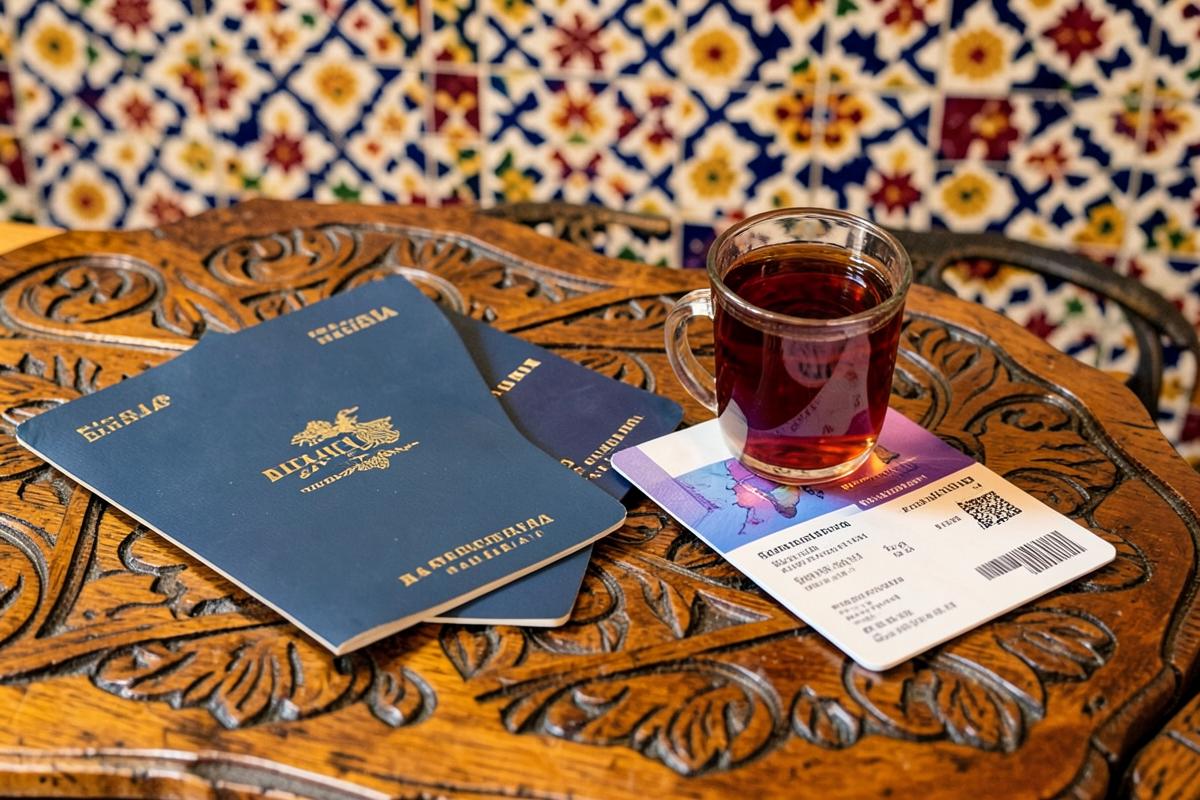
Moroccan mint tea combines green tea, fresh mint and sugar, brewed in a metal teapot and poured from a height into small glasses. More than a beverage, it is a cultural ritual: preparing, pouring and sharing tea expresses hospitality and creates time for conversation. The sweetness and strength vary by household, season and region.
Local tip
Accepting at least one glass is a gracious way to take part in the welcome; there is no need to rush the ritual.
Moroccan Pastries
Moroccan pastries are closely connected with celebrations, tea and hospitality. Chebakia is a flower-shaped sesame pastry fried and coated with honey, especially associated with Ramadan. Ghriba are crumbly round biscuits made in several varieties, while kaab el ghazal—gazelle horns—wrap delicate pastry around almond paste scented with orange blossom water. These sweets are usually served in small portions alongside tea.
Local tip
Pair pastries with unsweetened or lightly sweetened tea if you prefer a more balanced combination.
What Makes Moroccan Cuisine Different?
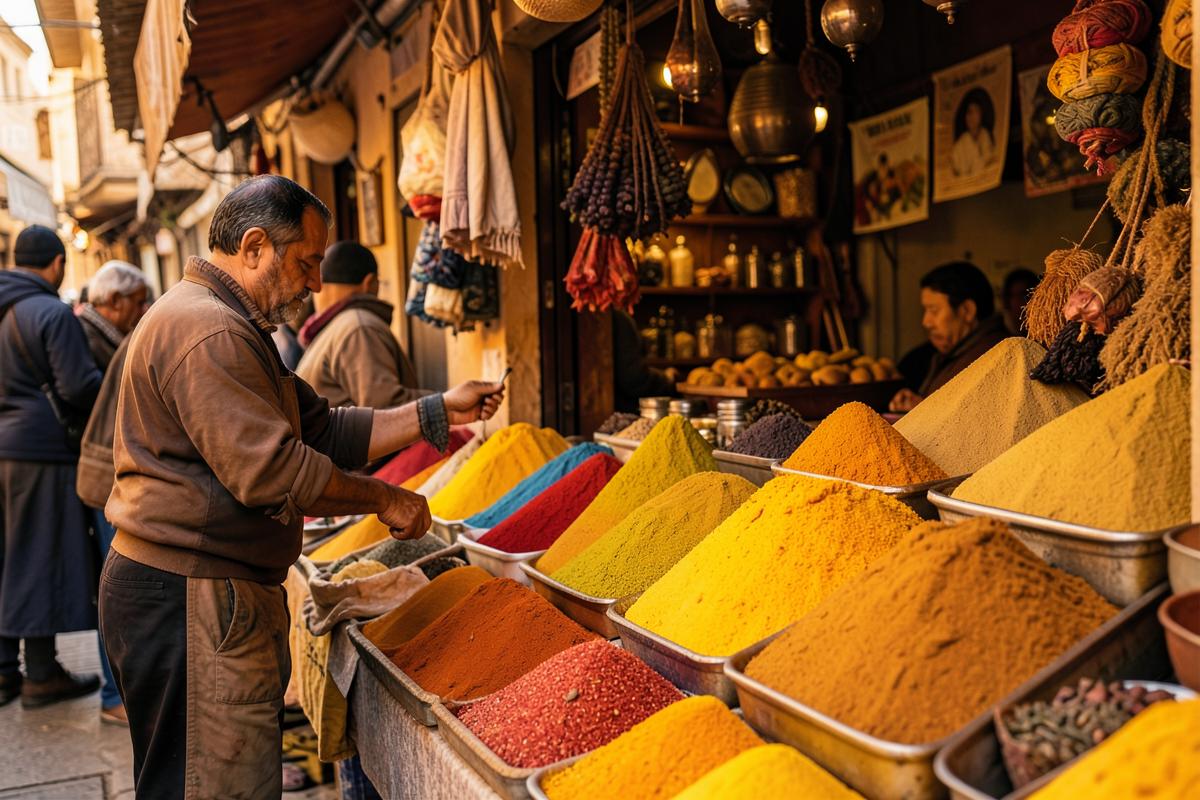
Moroccan cuisine builds depth through spices, slow cooking, preserved ingredients, fresh herbs and seasonal produce. Cumin, cinnamon, ginger, turmeric, saffron and ras el hanout may appear alone or in carefully balanced combinations. Preserved lemon, olives, dried fruit and fresh coriander or parsley add acidity, salt, sweetness and brightness. The result is generally aromatic rather than simply spicy hot; chilli can be present, but heat is rarely the defining quality.
Sweet-and-savoury combinations are another hallmark, especially in pastilla and lamb tagines with fruit. Just as important is communal eating: bread, salads and a main dish are shared, making the meal a social experience rather than a sequence of individual plates.
Moroccan Food by Region
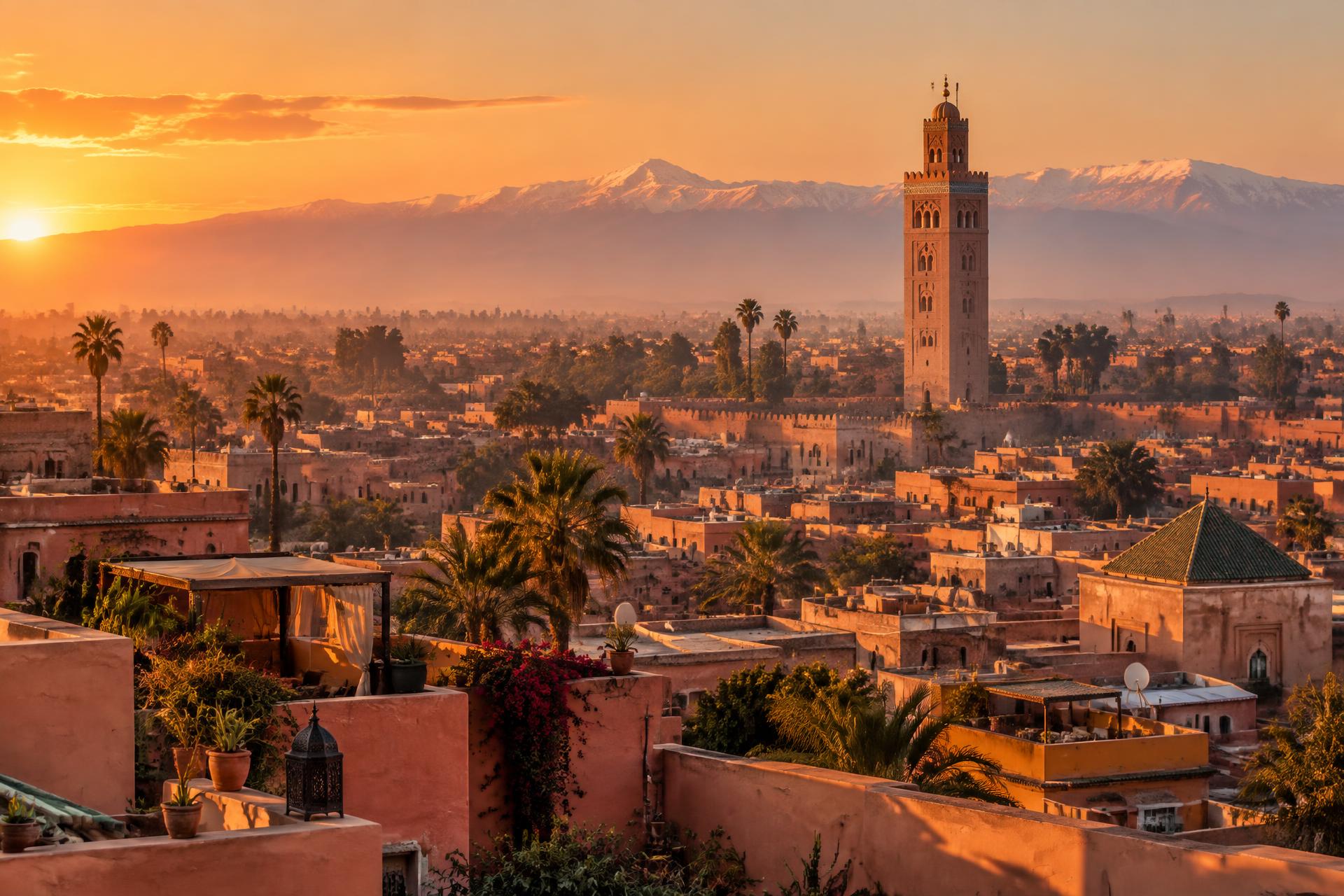
- Marrakech: rich tagines, varied traditional salads and local preparations shaped by the city's position between mountains, plains and the south.
- Fes: refined traditional cuisine associated with Fassi culinary traditions, including detailed pastries and sophisticated sweet-and-savoury combinations.
- Essaouira: seafood and Atlantic influences are central, with fish and shellfish appearing in grills, tagines and pastilla.
- Southern Morocco: Amazigh culinary traditions, dates, grains, couscous and regional dishes reflect oasis agriculture and desert life.
Moroccan Food for Vegetarians
Many Moroccan dishes are naturally vegetarian. Vegetable tagines, couscous with vegetables, zaalouk, taktouka, assorted Moroccan salads and legume-based dishes can create varied and satisfying meals. Strict vegetarians and vegans should still ask about broth, garnishes and cooking methods, because an apparently vegetable-based dish may occasionally be prepared with meat stock or served alongside animal products.
How Moroccan Meals Are Traditionally Enjoyed
Moroccan meals are often shared from communal dishes, with bread used to gather food and sauces. When eating by hand, the right hand is customarily used, taking from the section directly in front of you. Mint tea may welcome guests before a meal or extend conversation afterwards. Above all, meals are social occasions: offering food generously and encouraging guests to eat are important expressions of hospitality.
This culinary overview focuses on dishes and traditions. For advice about dining customs and the practical experience of a medina meal, continue with the related guide below.
Frequently Asked Questions
What is the most famous traditional Moroccan food?
Tagine and couscous are Morocco's best-known traditional foods. Both have many regional and family variations, but they represent only part of a cuisine that also includes soups, salads, pastries, roasted meats and preserved ingredients.
What food should I try first in Morocco?
Start with a traditional tagine, couscous, a selection of Moroccan salads and mint tea. Then explore regional dishes as your journey moves between cities, mountains, the Atlantic coast and southern Morocco.
Is Moroccan food spicy?
Moroccan cuisine is highly aromatic and uses many spices, but it is not necessarily hot or chilli-heavy. Spices are usually layered to create fragrance, warmth and depth rather than intense heat.
What Moroccan food is suitable for vegetarians?
Vegetable tagines, vegetable couscous, zaalouk, taktouka, Moroccan salads and many legume dishes are suitable options. Confirm whether broth or other animal products are used when dietary requirements are strict.
Taste Morocco as Part of the Journey
Food traditions change as you travel across Morocco. These existing journeys connect medinas, imperial cities and the Sahara, creating opportunities to experience that regional variety along the way.
Ready when you are
Discover Morocco Through Its Flavours
A Morocco journey is not complete without experiencing the country's food, hospitality and culinary traditions. Our local team can design a private or small-group itinerary combining historic medinas, mountains, kasbahs, the Sahara and authentic cultural experiences.